Poison Ivy Removal in Lancaster, PA
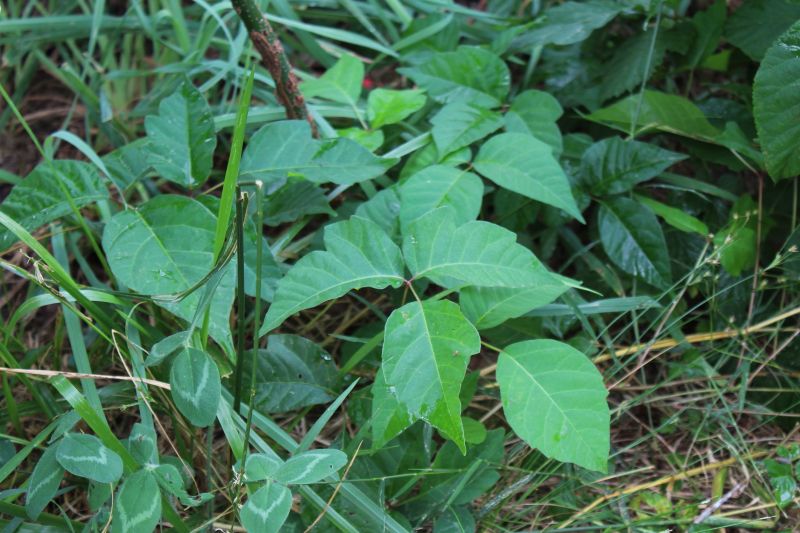
Poison ivy removal services are designed to safely eliminate this troublesome plant from residential properties, helping to prevent skin irritation and allergic reactions for homeowners and their families. These services typically involve identifying the presence of poison ivy, carefully removing it from lawns, gardens, and landscape beds, and ensuring that the roots are fully eradicated to prevent regrowth. Projects may range from clearing small patches in backyard gardens to larger infestations in wooded areas or along fences and property boundaries.
Homeowners interested in poison ivy removal should understand the importance of proper identification and removal techniques to avoid accidental contact with the plant. It’s also useful to know whether the removal will include disposal of the plant material to prevent re-establishment. Clarifying the extent of the affected area and any specific concerns about nearby plants or structures can help ensure the service addresses the property’s unique needs effectively.
Many property owners in Lancaster, PA look into Poison Ivy Removal for repairs, replacements, upgrades, and appearance-related improvements.
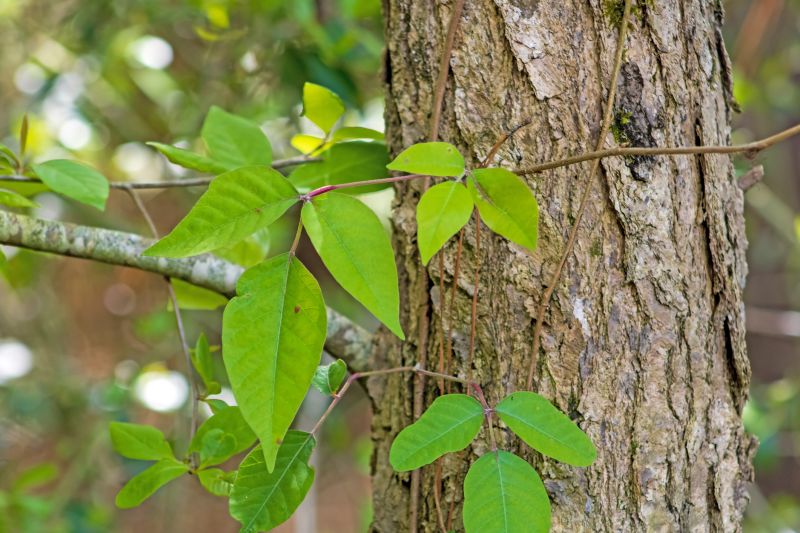
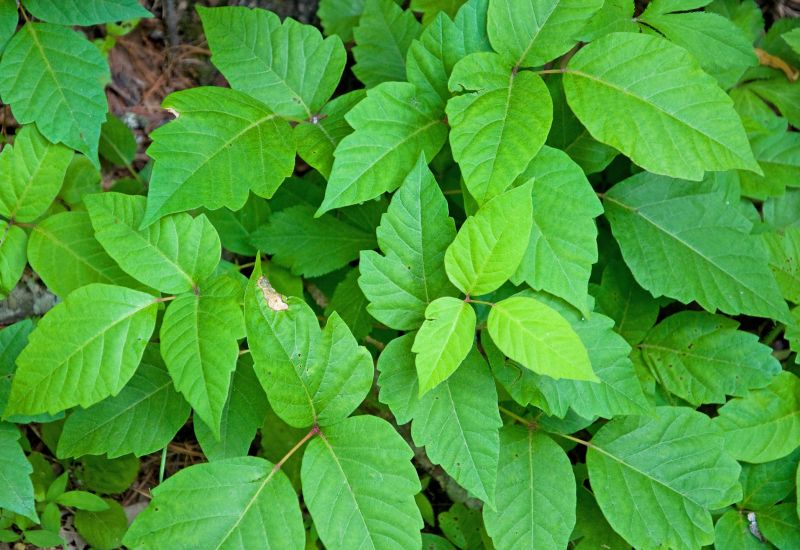
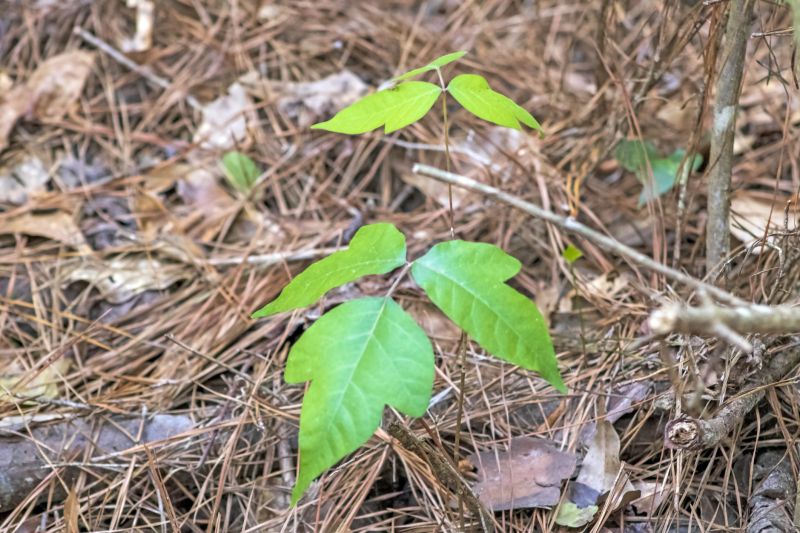
Identifying Poison Ivy
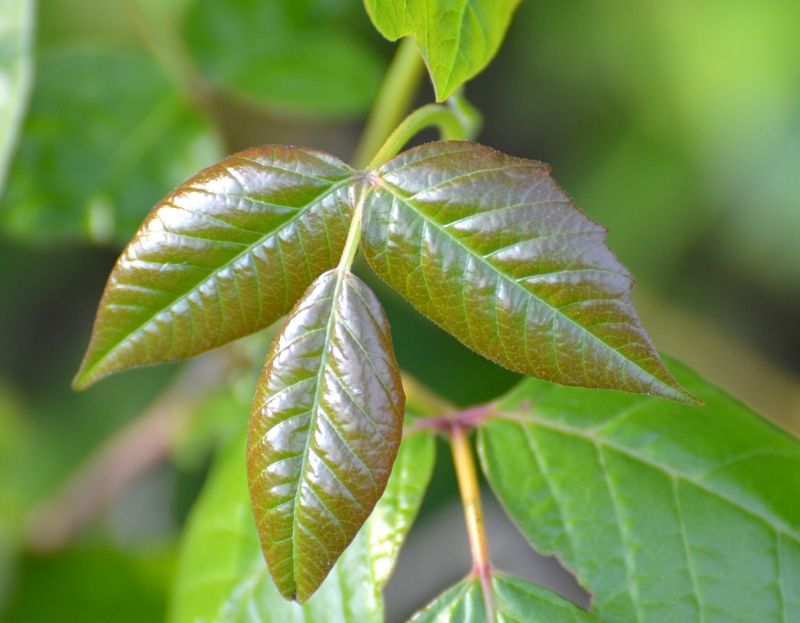
Recognizing the signs of poison ivy on residential and commercial properties in lancaster, pa.
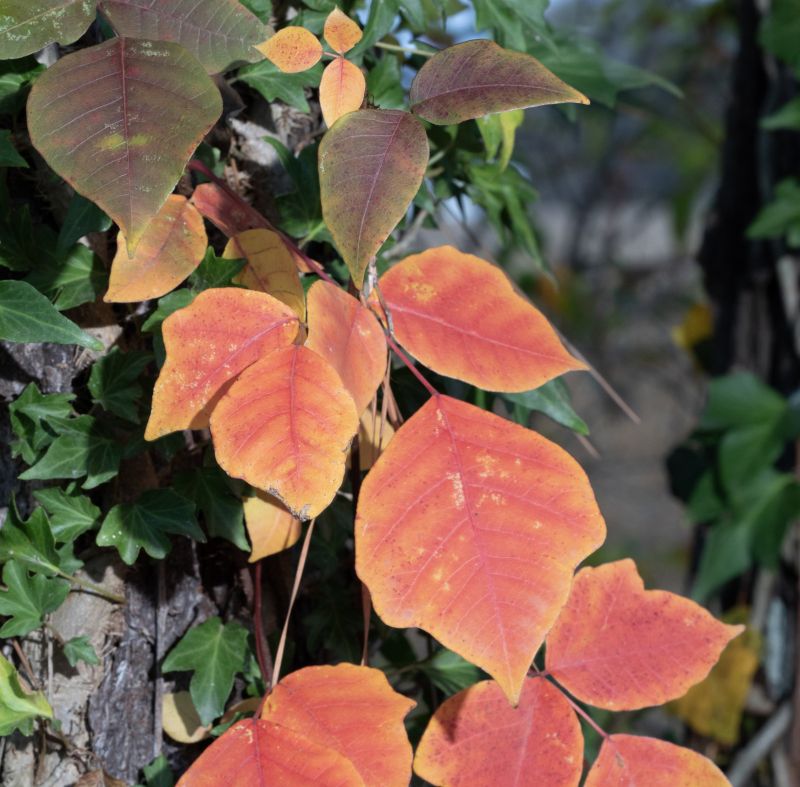
Removal Techniques
Effective methods for safely removing poison ivy from yards, fences, and landscape areas.
Preventive Solutions
Strategies to prevent future growth and protect outdoor spaces from poison ivy reemergence.
Poison Ivy Removal in Lancaster, PA
Poison ivy removal services are designed to safely eliminate this troublesome plant from residential properties, helping to prevent skin irritation and allergic reactions for homeowners and their families. These services typically involve identifying the presence of poison ivy, carefully removing it from lawns, gardens, and landscape beds, and ensuring that the roots are fully eradicated to prevent regrowth. Projects may range from clearing small patches in backyard gardens to larger infestations in wooded areas or along fences and property boundaries.
Homeowners interested in poison ivy removal should understand the importance of proper identification and removal techniques to avoid accidental contact with the plant. It’s also useful to know whether the removal will include disposal of the plant material to prevent re-establishment. Clarifying the extent of the affected area and any specific concerns about nearby plants or structures can help ensure the service addresses the property’s unique needs effectively.
Many property owners in Lancaster, PA look into Poison Ivy Removal for repairs, replacements, upgrades, and appearance-related improvements.
Common Poison Ivy Removal Jobs
Poison Ivy Removal Services - professional removal of invasive plants to protect property and landscaping.
Property owners can request poison ivy removal in yards, gardens, and along fences.
Services include identifying and safely removing poison ivy from trees, shrubs, and ground areas.
Removal efforts help reduce skin irritation risks and prevent plant spread.
Proper disposal methods are used to ensure the plant does not regrow or cause further contact.
Contact for guidance on managing poison ivy growth and maintaining a safe outdoor space.
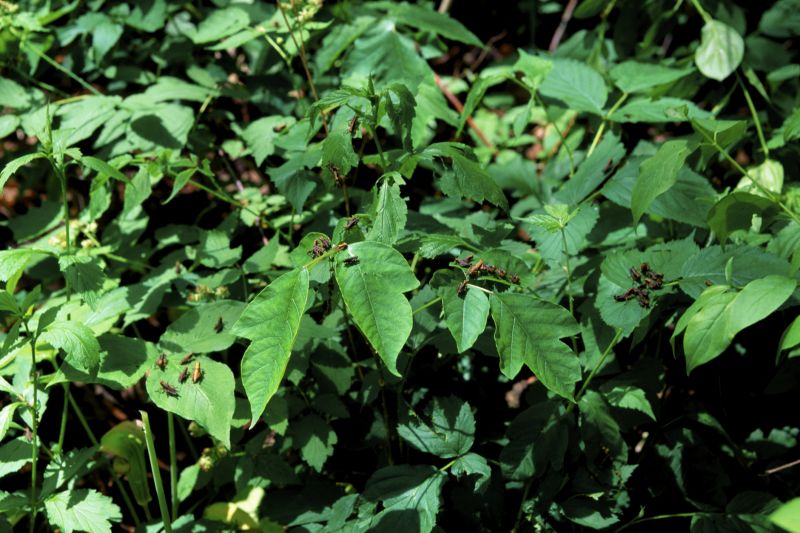
Poison Ivy Removal Questions
What is poison ivy removal? Poison ivy removal involves safely eliminating the plant to prevent skin irritation and property damage.
When should poison ivy be removed? Removal is recommended when poison ivy is actively growing or poses a risk to people and pets nearby.
What methods are used for poison ivy removal? Techniques include manual pulling, cutting, and applying herbicides to ensure complete eradication.
Is professional poison ivy removal necessary? Yes, professionals ensure safe removal and reduce the risk of spreading the plant or causing skin contact.
Request Poison Ivy Removal in Lancaster, PA
Use the quote form on this page to share the basics of your project and request more information for the type of work you need.