Hemlock Removal in Lancaster, PA
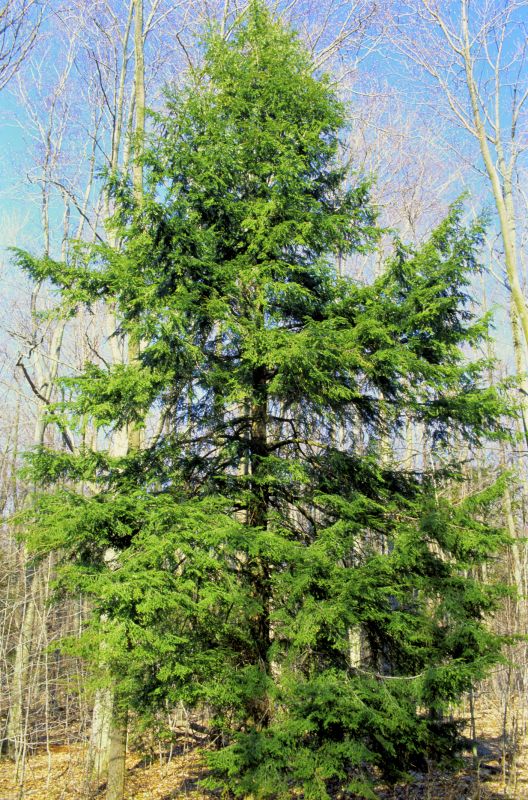
Hemlock removal services involve the careful elimination of hemlock trees that may pose risks to property safety, health, or aesthetics. These services are suitable for projects such as clearing problematic or dead hemlocks, managing overgrown or invasive growth, or preparing a site for new landscaping or construction. Homeowners typically request this service to remove trees that are diseased, damaged, or located too close to structures, ensuring safety and maintaining the overall appearance of the property.
Before requesting hemlock removal, property owners should consider factors such as the size and location of the trees, potential impacts on surrounding landscapes, and any local regulations or permits required for tree removal. It is also helpful to understand the reasons for removal, whether for safety, health concerns, or aesthetic improvements, to ensure the project aligns with property management goals. Clear communication about these details can assist in planning the most appropriate approach for successful tree removal.
Many property owners in Lancaster, PA look into Hemlock Removal for repairs, replacements, upgrades, and appearance-related improvements.
Hemlock Removal Services
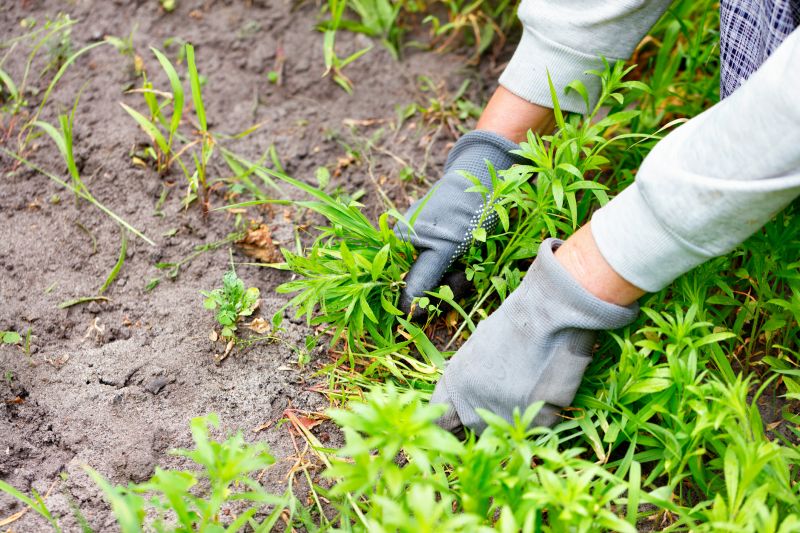
Examples of hemlock removal work property owners may explore in lancaster, pa.
Hemlock Removal Updates
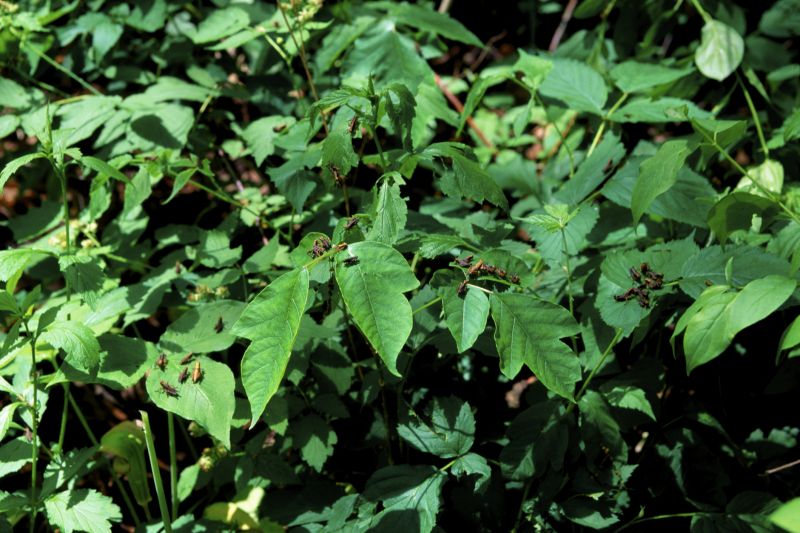
Common ways people refresh, improve, or restore hemlock removal features in lancaster, pa.
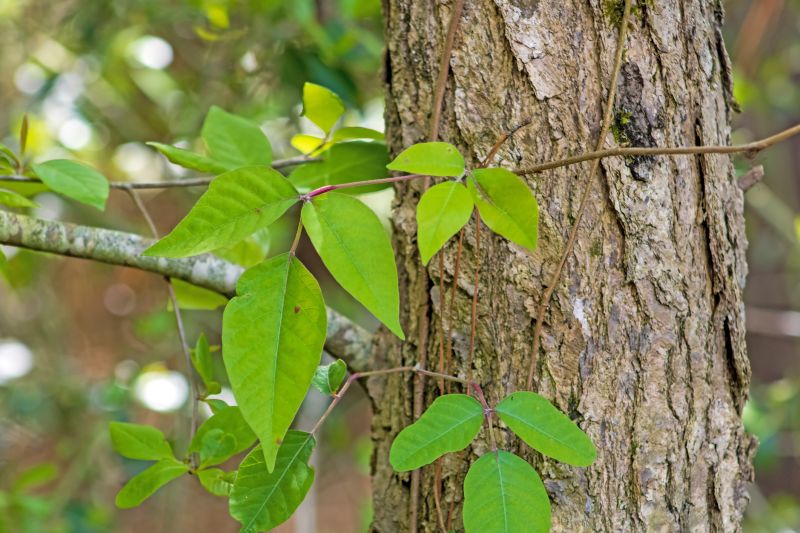
Hemlock Removal Options
Different styles, layouts, and finishes people consider for hemlock removal in lancaster, pa.
Hemlock Removal in Lancaster, PA
Hemlock removal services involve the careful elimination of hemlock trees that may pose risks to property safety, health, or aesthetics. These services are suitable for projects such as clearing problematic or dead hemlocks, managing overgrown or invasive growth, or preparing a site for new landscaping or construction. Homeowners typically request this service to remove trees that are diseased, damaged, or located too close to structures, ensuring safety and maintaining the overall appearance of the property.
Before requesting hemlock removal, property owners should consider factors such as the size and location of the trees, potential impacts on surrounding landscapes, and any local regulations or permits required for tree removal. It is also helpful to understand the reasons for removal, whether for safety, health concerns, or aesthetic improvements, to ensure the project aligns with property management goals. Clear communication about these details can assist in planning the most appropriate approach for successful tree removal.
Many property owners in Lancaster, PA look into Hemlock Removal for repairs, replacements, upgrades, and appearance-related improvements.
Common Hemlock Removal Jobs
Hemlock Removal - Safe removal of invasive hemlock trees to protect native landscapes.
Tree Clearing - Clearing overgrown hemlocks to improve property visibility and access.
Hazard Tree Removal - Eliminating hemlocks that pose safety risks due to disease or instability.
Stump Grinding - Complete removal of hemlock stumps to prevent regrowth and maintain yard aesthetics.
Property Restoration - Restoring landscapes affected by hemlock removal with replanting options.
Invasive Tree Control - Managing hemlock populations to prevent spread and protect existing trees.
Hemlock Removal Questions
Why should I remove a hemlock tree? Removing a hemlock can prevent the spread of pests and diseases that threaten other nearby trees and plants.
When is the best time to remove a hemlock? Hemlock removal is typically performed when the tree shows signs of disease, damage, or poses a safety risk.
Are there any risks associated with hemlock removal? Proper removal minimizes risks such as property damage or injury, especially for large or unstable trees.
What should I consider before removing a hemlock? It’s important to evaluate the tree’s health, location, and impact on the landscape before proceeding with removal.
Request Hemlock Removal in Lancaster, PA
Use the quote form on this page to share the basics of your project and request more information for the type of work you need.